



Signs of Hard Water
Hard water often shows up through small but frustrating problems you notice every day. From stubborn soap scum and cloudy dishes to dry skin and weak water pressure, these signs are usually caused by excess minerals like calcium and magnesium in your water supply. While they may seem minor at first, these issues can build up over time—affecting your home, appliances, and even your personal comfort.
Understanding these warning signs is the first step to identifying hard water and finding the right solution. Below, we’ll break down the most common signs of hard water, how it affects your skin and hair, and what you can do to fix and prevent it.
What Is Hard Water and Why Should You Care?

Hard water is water that contains a high concentration of dissolved minerals, primarily calcium and magnesium. These minerals are picked up as water moves through soil and rock before reaching your home.
While it’s generally safe to drink, hard water can cause a variety of issues. It reduces the effectiveness of soaps and detergents, damages appliances over time, and can negatively impact your skin, hair, and plumbing. Ignoring it often leads to higher maintenance costs and everyday inconveniences.
What Are the Visible Signs of Hard Water?
Hard water often reveals itself through everyday problems you can see and feel around your home. Here are the most common signs to watch for:
Soap Scum Buildup
Instead of rinsing clean, soap reacts with minerals and forms a sticky residue known as soap scum. You’ll often see this on shower walls, bathtubs, and sinks, making surfaces look dull and harder to clean. Regular maintenance helps—especially when you know how to clean shower heads from limescale effectively.
Spots on Glassware and Dishes
Cloudy spots or streaks on glasses and dishes are classic signs of hard water. These marks are mineral deposits left behind after water evaporates, even after a full dishwasher cycle.
Dry and Itchy Skin
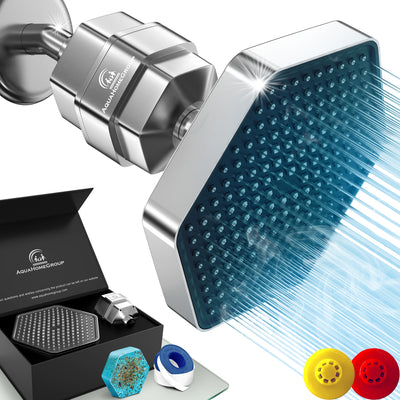
Hard water can leave a layer of residue on your skin, preventing soap from rinsing off completely. This can strip away natural oils, leading to dryness, itchiness, and irritation after bathing. Many homeowners notice improvements simply by switching to a filtered shower setup, such as those offered by AquaHomeGroup, which are designed to reduce impurities and create a gentler shower experience.
Stiff and Faded Laundry
Clothes washed in hard water often feel rough and look dull. Minerals can get trapped in fabric fibers, reducing softness and causing colors to fade faster over time.
Reduced Water Heater Efficiency
Mineral buildup inside your water heater forms a layer of scale that makes heating less efficient. This can increase energy consumption and shorten the lifespan of the unit.
Clogged Pipes and Reduced Water Flow
Over time, minerals accumulate inside your pipes, restricting water flow. This can lead to lower water pressure and potential plumbing issues if not addressed.
Scale Buildup on Appliances
Appliances like coffee makers, dishwashers, and washing machines are especially vulnerable to limescale. This buildup reduces efficiency and can cause premature wear and tear.
How Does Hard Water Affect Your Skin and Hair?
Hard water can have a noticeable impact on both your skin and hair. The minerals in hard water make it harder for soaps and shampoos to lather properly, which means residue is often left behind.
For your skin, this can lead to dryness, irritation, and clogged pores. If you already have sensitive skin, hard water can make these issues worse.
For your hair, mineral buildup can leave it feeling dry, frizzy, and difficult to manage. It may also appear dull and lose its natural shine. Over time, this buildup can weaken hair strands and increase breakage. Upgrading to a high-quality filtered shower head—like those from AquaHomeGroup—can help reduce these effects by improving water quality right at the source.
How Can You Test If You Have Hard Water?
If you suspect hard water, there are a few simple ways to confirm it:
-
Soap Test: Add a few drops of liquid soap to a bottle of water and shake it. If it doesn’t lather well and looks cloudy, hard water is likely present.
-
Water Testing Kits: These provide accurate readings of mineral levels and are easy to use at home.
-
Check Local Water Reports: Municipal water suppliers often publish water quality reports that include hardness levels.
What Are the Best Ways to Fix Hard Water Issues?
There are several effective ways to deal with hard water, depending on your needs:
-
Install a Water Softener: A whole-house solution that removes calcium and magnesium from your water supply.
-
Use a Shower Filter: A simple and affordable upgrade, shower filters help reduce mineral exposure while you bathe. Products from AquaHomeGroup combine filtration and improved water pressure, making them a practical choice for tackling hard water at the point of use.
-
Upgrade Your Shower Head: Switching to a filtered shower head not only helps with water quality but can also enhance your overall shower experience with better flow and coverage.
-
Clean Regularly: Use vinegar or descaling solutions to remove mineral buildup from fixtures and appliances.
Can Hard Water Impact Your Health Over Time?
Hard water is not typically harmful to drink, but it can affect your comfort and skin health. The biggest concerns are external—dry skin, irritation, and scalp issues.
For people with sensitive skin conditions, hard water may worsen symptoms. While it’s not considered a direct health risk, managing hard water can improve your overall daily comfort and hygiene—especially when combined with targeted solutions like filtered shower systems.
How to Prevent Hard Water Damage Before It Gets Worse?
Preventing hard water damage early can save you from costly repairs and replacements:
-
Clean bathroom and kitchen surfaces regularly
-
Descale appliances to maintain performance
-
Install filtration or softening systems early
-
Use moisturizing products to protect your skin and hair
-
Consider upgrading to a reliable filtered shower head from AquaHomeGroup to minimize daily exposure to hard water minerals
Taking small steps now can help you avoid bigger problems later.
Final Thoughts: Are You Noticing These Signs of Hard Water?
Hard water can quietly impact your home until the signs become too obvious to ignore. From soap scum and cloudy dishes to dry skin and inefficient appliances, the effects are both visible and costly over time.
If you’re noticing these signs, it’s worth taking action. Simple solutions—like installing a shower filter or upgrading to a high-quality shower head from AquaHomeGroup—can make a noticeable difference in your home, your comfort, and your daily routine.